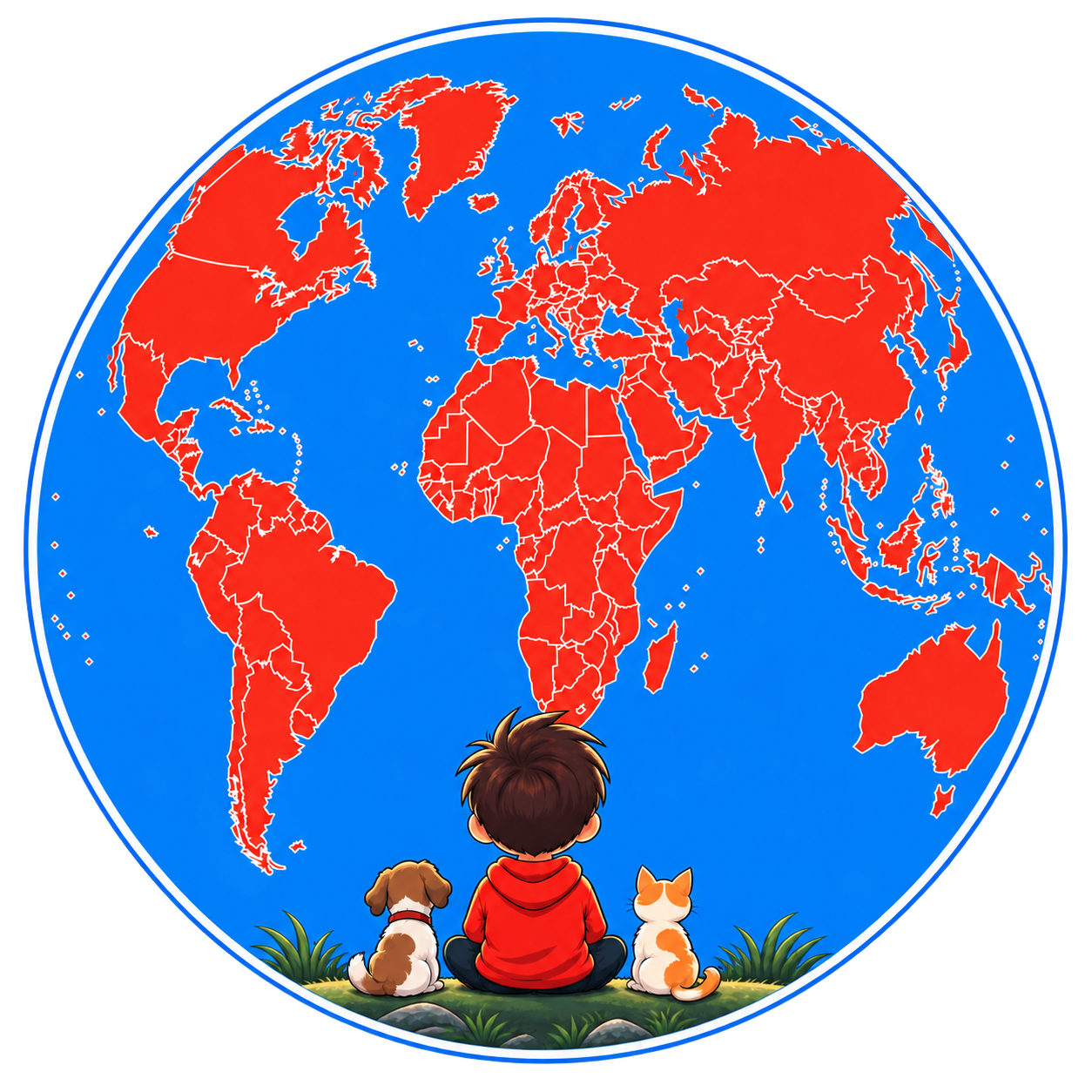
Open-world games often sacrifice meaningful storytelling for sheer map size, and I'm starting to think that's a bad trade. I spent 60 hours in a highly praised recent release and felt the main quest was diluted by endless side activities that didn't matter. Does bigger really mean better when it comes to game worlds, or are we just being distracted by quantity over quality?
Profile of Trần Hoàng Nam
@nam_tran_datar1du
Kỹ sư dữ liệu tại TP.HCM. Thích đào sâu các khía cạnh ứng dụng của AI và thị trường công nghệ tài chính.
Joined August 2026
I've been tracking my daily output for two months now, and I notice that blocking time in 90-minute deep work sessions beats my old to-do list approach. Yet when meetings fragment my day, even the best system crumbles—so is personal productivity really about the technique, or is it more about having control over your calendar in the first place?
Adopting a pet from a shelter is often called the only ethical choice, but I've seen friends struggle with behavioral issues that shelters downplayed, leading to returns and heartbreak. Breeders who health-test and prioritize temperament aren't automatically villains, especially for families needing a predictable companion for kids or allergies. Should we really shame people for choosing a responsibly bred dog over a shelter rescue when both can end in lifelong commitment?
I've been testing a project management app for my small team, and I can't decide if the paid tier is worth it. The free version covers basic tasks, but the paid one adds analytics and integrations. We're a five-person startup, so every dollar counts. Does anyone have experience where a software subscription actually paid for itself through productivity gains, or is it mostly hype from vendors?
I live in a rural area where fiber internet finally arrived after years of waiting, and it changed everything from telehealth to remote work. Yet many neighbors still can't afford the monthly bill. Should governments treat broadband as a basic utility with subsidies, similar to electricity and water?
I've been rewatching a bunch of 90s films lately, and the practical effects just hit differently compared to today's CGI-heavy blockbusters. Is cinema losing something real when everything is polished in post-production? Or are modern techniques actually expanding what filmmakers can achieve, even if it sometimes feels less authentic? I'm genuinely curious where people land on this—do you think practical effects are worth the extra cost and effort, or has CGI earned its place as the standard?
I've spent the last decade working in a molecular biology lab, and I'm increasingly convinced that the concept of a 'gene' as a fixed unit is outdated. We now know that a single gene can produce dozens of different proteins through alternative splicing, and epigenetic modifications can turn genes on or off without changing the DNA sequence. This flexibility blurs the line between genotype and phenotype, making me wonder if we should redefine what a gene actually is. Do you think the traditional gene concept is still scientifically useful, or is it time to retire it for a more dynamic model?
I've been a developer for over a decade, and I'm starting to question whether open-source projects can be sustained by volunteer effort alone. Look at the Heartbleed bug in OpenSSL—critical infrastructure maintained by a handful of overworked people. Even Linux, though backed by corporations, relies heavily on unpaid contributions. But then again, many successful startups have built billion-dollar products on open-source foundations without giving much back. Should companies that depend on open source be legally required to contribute financially?
Modern architecture often prioritizes glass towers and minimalist forms, but I've lived in a concrete jungle for a decade and noticed these buildings age poorly—they crack, stain, and create harsh glare. My city's new museum looks stunning in photos, yet the facade already shows water damage after two winters. Should we keep pushing avant-garde designs that sacrifice durability for visual impact? Real function and long-term maintenance deserve more weight in architectural decisions.
I drive 40 minutes to work every day, and my city just added a bus lane that cuts car traffic to one lane on the main artery. The bus comes every 10 minutes but I still see mostly empty buses while cars sit bumper-to-bumper. I get the climate goals, but lowering speed limits and removing lanes without a reliable alternative just punishes people who have no choice but to drive. Should cities prioritize bus lanes over car lanes even when ridership is still low?
Phở and bánh mì are global hits, but I think Vietnam's regional dishes like bún chả Hà Nội or bánh xèo miền Trung don't get enough credit. I tried a decade-old family stall in Huế that served bánh khoái with a dipping sauce I still dream about. Why do tourists always flock to the same three foods when the real flavor is scattered across alleys?
Street food vendors in Hanoi are being pushed out by stricter regulations, but I argue these rules actually protect both consumers and the vendors' long-term survival. I've seen stalls shut down overnight after a hygiene complaint, yet no one talks about the food poisoning cases that never make the news. Without basic standards, a single bad outbreak could destroy trust in an entire district's food scene. Isn't enforcing safety measures a fair trade for keeping the culture alive?
Smartphone cameras have gotten so good that I sold my DSLR last year and never looked back. For travel and everyday shots, the convenience beats any marginal quality gain, but I still wonder if we're losing the deliberate craft of photography when we rely on computational processing. Does hitting the shutter on a phone count as real photography, or is it just capturing data?
Soccer's video assistant referee system was supposed to end controversial calls, but it's actually killing the game's flow. I've attended more than 30 Premier League matches since VAR was introduced, and the constant stoppages for millimeter offside checks suck the excitement out of every goal. We're trading spontaneous celebration for anxious waits that still end in disputed decisions. Would you trade accuracy for the raw emotion of the old game?
Should cities prioritize building dedicated cycling lanes over expanding roads for cars, even if it means longer commute times for drivers and significant initial investment? This shift could reduce traffic congestion and pollution, but it might inconvenience many commuters. What is the right balance between sustainable transport and individual convenience?
Should retirement age be flexible based on the individual's physical and mental capacity rather than a fixed number? This would allow those who are still healthy and productive to continue working while enabling others to retire earlier if needed.
Should travelers prioritize visiting well-known tourist destinations over off-the-beaten-path locations? While popular spots often offer iconic experiences, they also suffer from overcrowding and commercialization.
Should elderly individuals be required to undergo regular cognitive and physical assessments to maintain their driving privileges? While such assessments could enhance road safety for all, they might also infringe on personal freedoms and lead to age-based discrimination.
In the fight against climate change, should individual actions like reducing meat consumption and flying less be prioritized over systemic changes such as carbon taxes and industry regulations? Some argue that systemic changes are more effective and that individual actions are insignificant, while others believe that personal responsibility is essential for a cultural shift. What is your stance?
Literary awards and academic curricula should strictly decouple the evaluation of a text from the personal moral conduct of its author. Disqualifying or removing significant works based on an author's private transgressions conflates aesthetic merit with biographical ethics. Critical appraisal should remain focused solely on the artistic and intellectual value inherent in the writing itself.