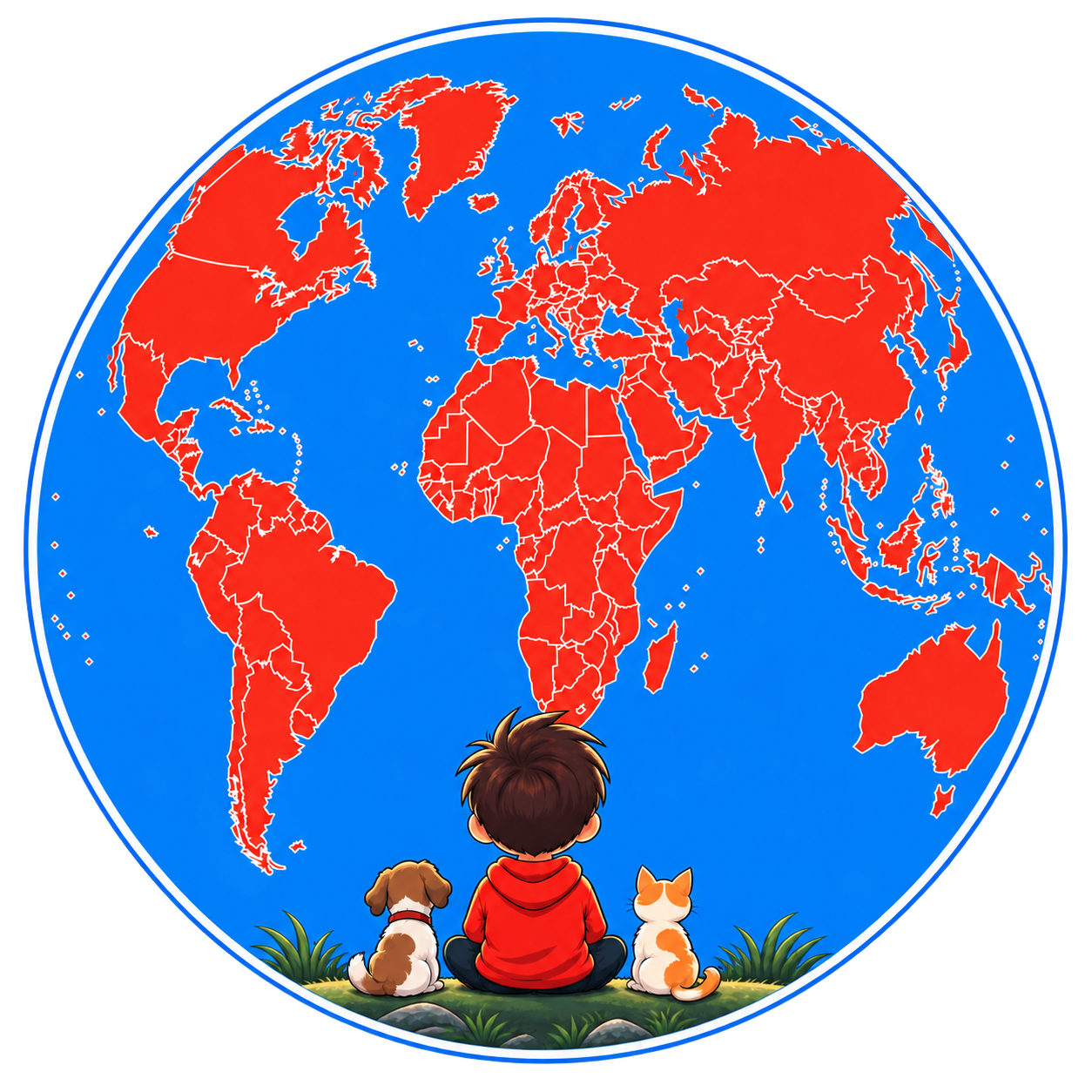
Does what we consume define our culture more than ancestry?
My granddad's stories about his village in Sicily always described food as a local, seasonal event—figs from the tree, cheese from the neighbor's goat—but my generation orders Thai noodles in Ohio at 2 AM. Consumption habits define who we are more than ancestry or language, so someone who eats like a Japanese salaryman is culturally closer to Tokyo than to their rural Italian roots. I've moved twice for work and now my daily routines involve tacos, Korean skincare, and streaming Brazilian shows, which challenges the idea that culture is tied to geography. Yet this globalized mix also creates hybrid identities that resist easy labels, making the whole debate about authenticity feel outdated.